Understanding the Unique Traits of the White Swiss Shepherd Dog
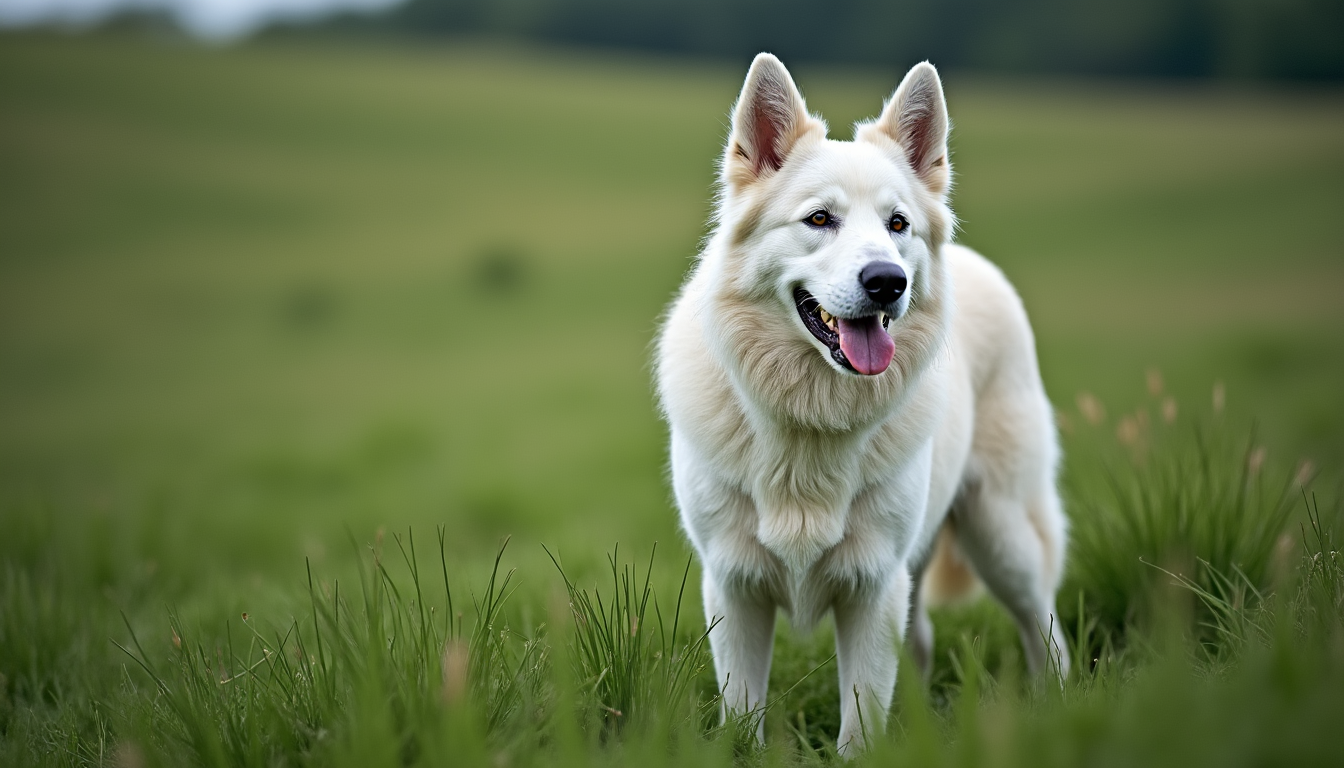
The White Swiss Shepherd Dog stands out with its striking white coat and intelligent eyes. This breed combines beauty with brains, making it a favorite among dog lovers who seek a loyal and capable companion. If you are curious about what makes this dog special, this post will guide you through its history, personality, care needs, and why it might be the right choice for your home.
Origins and History
The White Swiss Shepherd Dog, also known as Berger Blanc Suisse, traces its roots back to the German Shepherd. In the early 20th century, white-coated German Shepherds were bred selectively in Switzerland to preserve their unique color and temperament. Over time, breeders focused on maintaining a gentle nature and strong working ability, which led to the development of this distinct breed.
Unlike the traditional German Shepherd, the White Swiss Shepherd is recognized as a separate breed in many countries. It gained popularity for its friendly demeanor and versatility, excelling in roles such as therapy, search and rescue, and family companion.
Physical Characteristics
One of the most noticeable traits of the White Swiss Shepherd Dog is its pure white coat. This medium to large-sized dog has a double coat that is dense and straight or slightly wavy. The coat requires regular grooming to keep it clean and free from mats.
Key physical features include:
Height: Typically 22 to 26 inches at the shoulder
Weight: Ranges from 50 to 70 pounds
Build: Muscular and well-proportioned with a strong frame
Eyes: Almond-shaped and dark, expressing intelligence and alertness
Ears: Upright and triangular, adding to its attentive appearance
The white coat not only gives the dog a majestic look but also requires owners to be mindful of sun exposure and dirt, as the light color shows stains easily.
Temperament and Personality
The White Swiss Shepherd Dog is known for its gentle and friendly nature. It forms strong bonds with family members and is especially good with children. This breed is intelligent and eager to please, which makes training relatively straightforward.
Some personality traits include:
Loyalty: They are devoted to their owners and protective without being aggressive.
Sociability: They enjoy meeting new people and other dogs but appreciate calm introductions.
Energy: This breed has moderate to high energy levels and benefits from daily exercise.
Sensitivity: They respond well to positive reinforcement and can be sensitive to harsh treatment.
Because of their intelligence and alertness, White Swiss Shepherds make excellent watchdogs. They will alert their owners to unusual activity but are not known for unnecessary barking.
Training and Exercise Needs
Training a White Swiss Shepherd Dog requires consistency and patience. Their intelligence means they can learn commands quickly, but they also need mental stimulation to prevent boredom.
Effective training tips:
Use positive reinforcement such as treats and praise.
Start socialization early to build confidence around people and other animals.
Incorporate varied activities like obedience, agility, or scent work.
Keep training sessions short and engaging to maintain interest.
Exercise is crucial for this breed’s well-being. They thrive with at least one hour of physical activity daily, which can include walks, playtime, or structured sports. Without enough exercise, they may develop behavioral issues such as chewing or restlessness.
Health and Care
The White Swiss Shepherd Dog is generally healthy but can be prone to some conditions common in medium to large breeds. Regular veterinary check-ups help catch issues early.
Common health considerations:
Hip dysplasia: A genetic condition affecting the hip joints; responsible breeding reduces risk.
Elbow dysplasia: Similar to hip dysplasia but affects the elbows.
Allergies: Some dogs may develop skin sensitivities, requiring special care.
Ear infections: Upright ears need regular cleaning to prevent infections.
Grooming involves brushing the coat two to three times a week to remove loose hair and prevent mats. Bathing should be done as needed, using gentle dog shampoos to protect the coat’s natural oils.
Living with a White Swiss Shepherd Dog
This breed adapts well to family life but needs space to move and play. They do best in homes with yards or access to parks. Apartment living is possible if exercise needs are met consistently.
Owners should be prepared to:
Spend time daily on walks and play.
Provide mental challenges like puzzle toys or training games.
Maintain grooming routines to keep the coat healthy.
Offer companionship, as these dogs dislike long periods of isolation.
Their friendly nature makes them great companions for active individuals or families who enjoy outdoor activities.